Understanding Trigger Reset: Why It Matters for Accuracy
Trigger reset explained: Trigger control is one of the most important skills in shooting, yet many shooters overlook how much it affects accuracy and consistency. For both beginners and experienced shooters, learning how this mechanism works can significantly improve overall performance.
Trigger reset explained refers to the point at which the trigger moves forward after firing and becomes ready for the next shot. After a round is discharged, the shooter must allow the trigger to move forward just enough for the internal mechanism to reset before pulling again. Recognizing this point helps maintain better control and reduces unnecessary movement.
One of the main reasons it matters for accuracy is that excessive trigger travel can introduce unwanted movement in the firing hand. This can slightly disturb sight alignment and lead to inconsistent shot placement. Focusing on the reset point helps reduce this disruption and supports better stability during firing.
It also plays an important role in improving follow-up shot speed. Many experienced shooters use a technique known as “riding the reset,” where the trigger is only released to the reset point before the next shot. This helps maintain rhythm, control, and efficient shot timing without sacrificing precision.
Building Consistency, Safety Awareness, and Overall Shooting Performance
Consistency is another key benefit. Developing muscle memory around proper reset behavior builds a repeatable shooting pattern. Instead of guessing trigger position during rapid fire, shooters gain a tactile reference that improves confidence and control over time.
However, proper training and safe handling are essential when practicing these techniques. Different firearm systems may feel slightly different, so understanding how your specific setup behaves is important for developing reliable habits.
Frequently Asked Questions
What is trigger reset?
Itis the point at which the trigger mechanism re-engages after a shot is fired, allowing the shooter to fire the next round without fully releasing the trigger.
Why is it important for accuracy?
A consistent trigger reset helps maintain shooting rhythm and control, reducing unnecessary movement that can negatively affect accuracy during follow-up shots.
How does this affect shooting speed?
A shorter and more tactile reset allows faster follow-up shots by reducing the time required to prepare the trigger for the next pull.
What makes a good trigger reset?
A good trigger reset is short, predictable, and clearly felt or heard. This feedback helps shooters maintain control and improve consistency.
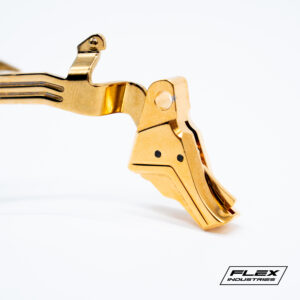
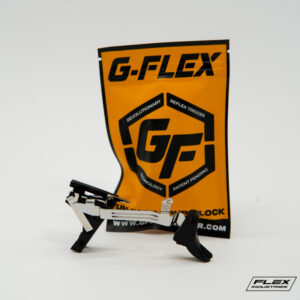
Can trigger reset be improved with aftermarket triggers?
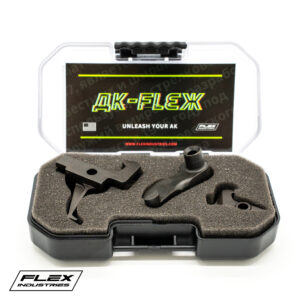
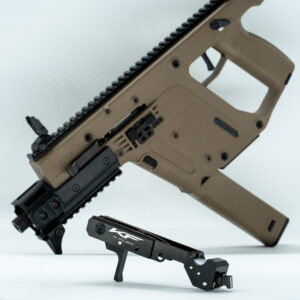
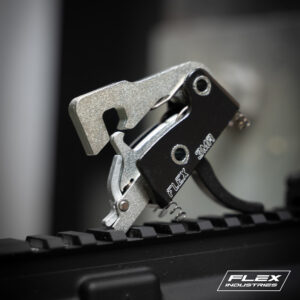
Yes, many aftermarket triggers are designed to reduce reset distance and improve tactile feedback, which can enhance performance when properly installed.
Does trigger reset matter for beginners?
Yes, understanding it helps beginners develop better control, improve accuracy, and build consistent shooting habits early in training.
Conclusion
In conclusion, It plays a crucial role in accuracy, control, and shooting efficiency. When combined with solid fundamentals and consistent practice. It can help shooters achieve better precision and more reliable performance on the range.