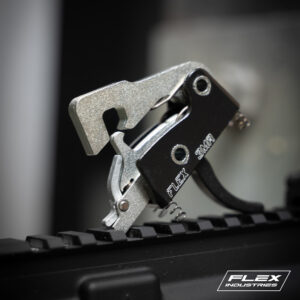
Many firearm owners explore aftermarket upgrades to personalize the feel and responsiveness of their handgun. One of the most popular modifications involves installing an aftermarket Glock trigger. A quality trigger system can improve comfort, consistency, and overall user experience while maintaining the reliability Glock platforms are known for. Understanding what makes a good aftermarket trigger can help owners make more informed decisions when exploring customization options.
Trigger Feel and Consistency
One of the most important features of a quality Glock trigger upgrade is consistent trigger feel. Many users look for a smoother pull, cleaner break, and predictable reset. A well-designed trigger system can reduce unnecessary movement and create a more controlled shooting experience.
Consistency also plays a major role in overall Glock trigger performance. Reliable trigger engagement and repeatable movement patterns help users maintain confidence and comfort during range sessions.
The Importance of Trigger Reset
Another key factor involves the Glock trigger reset. Many shooters prefer a reset that feels more defined and responsive because it improves overall trigger feedback. A cleaner reset can create a smoother experience during repeated firing cycles and may help users maintain better control.
Modern aftermarket systems often focus on refining reset characteristics without compromising reliability or durability.
Flat vs Curved Trigger Designs
The design of the Glock trigger shoe also affects comfort and ergonomics. Some users prefer traditional curved triggers, while others favor the increasingly popular flat Glock trigger design.
Flat triggers can provide a different finger placement and a more consistent pull angle for some users. However, trigger preference remains highly personal, and many owners choose a design based on comfort and shooting style.
Durability and Material Quality
A good Glock trigger system should also use durable materials and precise manufacturing methods. CNC-machined aluminum components, protective finishes, and strict quality control standards all contribute to long-term reliability.
Frequently Asked Questions
What makes a good aftermarket Glock trigger?
A good aftermarket Glock trigger offers consistent performance, smooth pull, reliable reset, and high-quality materials. It should also be manufactured with tight tolerances to ensure proper fit and function.
What materials are best for aftermarket Glock triggers?
High-quality aftermarket triggers typically use stainless steel, tool steel, or reinforced polymer components. These materials provide durability, wear resistance, and long-term reliability under repeated use.
How important is trigger pull weight in aftermarket triggers?
Trigger pull weight is important because it affects control, accuracy, and shooting comfort. A good aftermarket trigger provides a balanced pull weight suitable for its intended use while maintaining safety and reliability.
Do all aftermarket Glock triggers improve performance?
Not all aftermarket triggers guarantee better performance. Quality varies by manufacturer, and poorly designed triggers can negatively affect reliability, safety, and overall firearm function.
How does manufacturing quality affect aftermarket triggers?
High manufacturing quality ensures precise fit, smooth operation, and consistent performance. Poor manufacturing standards can lead to uneven trigger feel, malfunction, or premature wear.
Should installation of an aftermarket trigger be done by a professional?
Yes, professional installation is recommended to ensure proper fitting, safe operation, and correct function. Incorrect installation may impact reliability and safety.
Final Thoughts
Choosing the right aftermarket Glock trigger depends on personal preference, ergonomics, and performance goals. Factors such as trigger pull, reset, comfort, and build quality all influence the overall experience. By understanding these features, Glock owners can better evaluate different trigger options and select a system that fits their preferences and long-term reliability expectations.