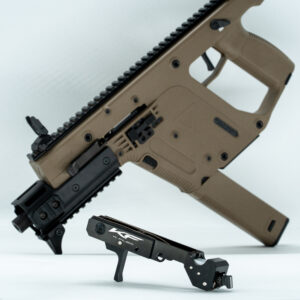
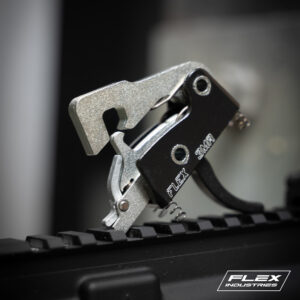
Like any mechanical component, a trigger system may develop issues over time due to wear, improper installation, or heavy use. Understanding basic trigger troubleshooting can help firearm owners identify common problems and determine when maintenance or replacement may be necessary. Many Glock owners explore trigger improvements to achieve smoother operation, better ergonomics, and more consistent performance.
Heavy or Inconsistent Trigger Pull
One of the most common Glock trigger issues involves a trigger pull that feels excessively heavy or inconsistent. Dirt buildup, worn internal parts, or improper component alignment can affect the smoothness of the trigger movement.
Regular cleaning and inspection of the Glocktriggersystem may help maintain more consistent operation. For general trigger troubleshooting, owners should consult the manufacturer’s documentation or a qualified professional.
Weak or Unclear Trigger Reset
A weak or inconsistent Glock trigger reset can also create frustration for users. Some shooters prefer a reset that feels more defined because it improves trigger feedback during repeated firing cycles.
Worn connectors, springs, or poorly fitted aftermarket parts may contribute to reset problems. Carefully inspecting trigger components and ensuring proper installation can often improve reliability and consistency.
Trigger Safety Concerns
Another issue sometimes involves trigger safety engagement or unusual trigger movement. If the trigger feels rough, loose, or inconsistent, owners should inspect the trigger assembly for signs of wear or damaged parts.
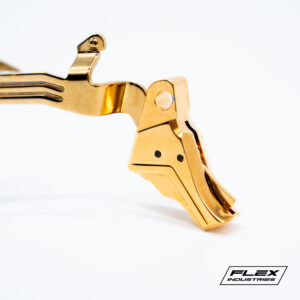
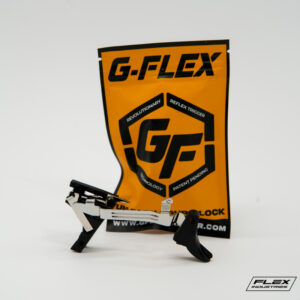
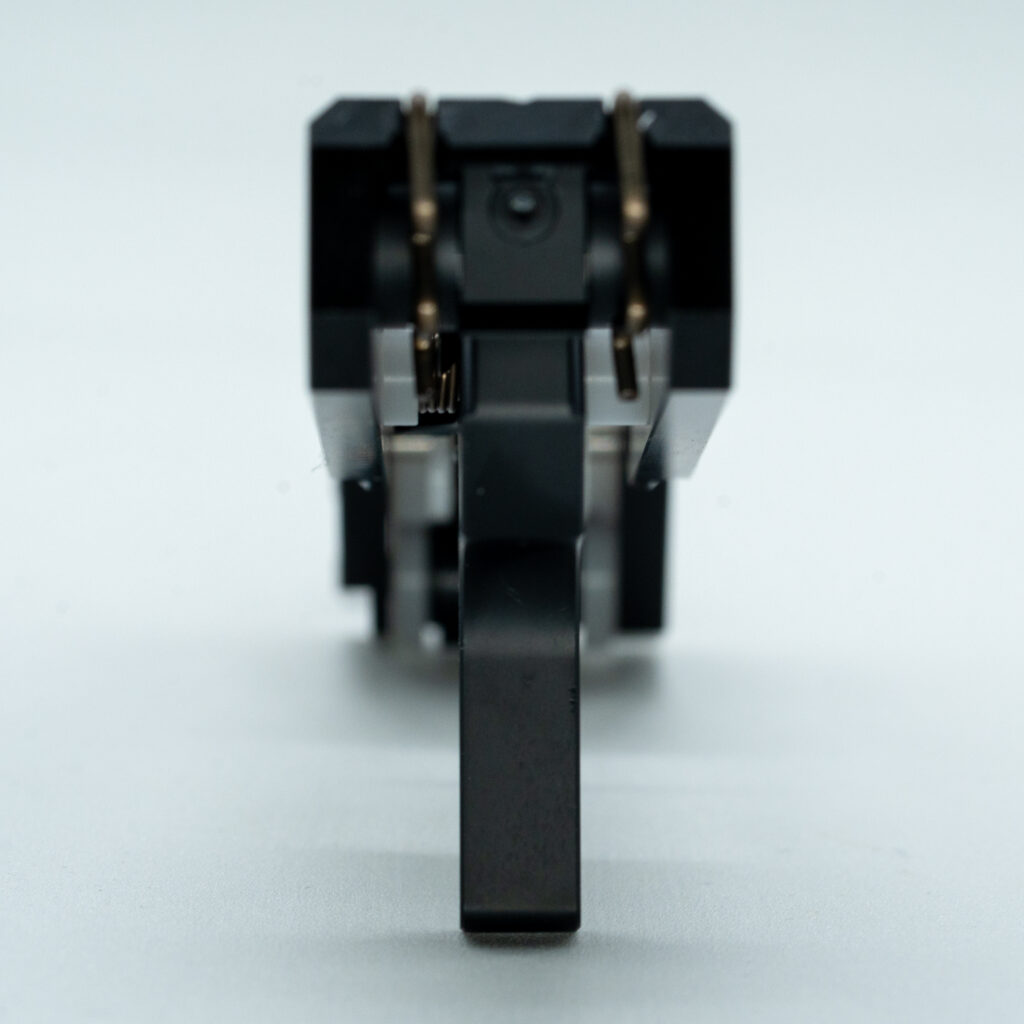
High-quality aftermarket Glock trigger systems often use precision-machined components designed to improve consistency while maintaining proper functionality.
Ergonomic Discomfort During Use
Some users simply find that the factory trigger design does not feel comfortable during extended range sessions. In these cases, changing the Glock trigger pull characteristics or replacing the flat Glock trigger shoe may improve overall comfort and finger placement.
Trigger ergonomics remain highly personal, so many owners experiment with different trigger styles to find the setup that best fits their preferences.
Frequently Asked Questions
What are the most common trigger problems?
Common trigger problems include excessive pull weight, failure to reset, inconsistent break, and sticking or gritty movement. These issues often result from wear, dirt buildup, or misalignment of components.
Why does a trigger feel gritty or rough?
A gritty trigger feel is usually caused by friction between internal components due to lack of lubrication, debris buildup, or surface imperfections on contact points.
What causes a trigger to fail to reset?
Trigger reset failure can occur due to weak or damaged springs, improper assembly, worn components, or obstruction caused by dirt or debris inside the trigger mechanism.
How can trigger issues be fixed?
Most trigger issues can be resolved through cleaning, lubrication, component inspection, and replacement of worn or damaged parts. Proper reassembly is also essential for restoring smooth operation.
Can worn components affect trigger performance?
Yes, worn components such as springs, sears, or pins can significantly impact trigger consistency, reliability, and overall performance. Regular inspection helps identify wear early.
How does maintenance prevent trigger issues?
Routine maintenance reduces dirt buildup, ensures proper lubrication, and helps identify early signs of wear. This prevents common issues and improves long-term trigger reliability.
Final Thoughts
Understanding basic trigger troubleshooting can help owners recognize common issues before they become larger problems. Whether dealing with inconsistent reset, rough trigger pull, or ergonomic concerns, regular maintenance and quality components play an important role in long-term reliability. For some users, upgrading to a carefully designed aftermarket trigger system may improve overall comfort, consistency, and shooting experience.