Are Performance Triggers Worth It? Real Pros & Cons
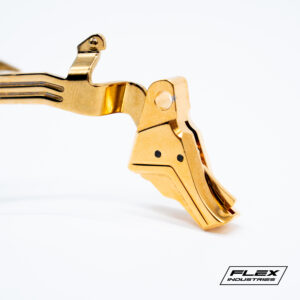
Performance triggers have become increasingly popular among shooters looking to improve speed, precision, and overall shooting control. Manufacturers design these upgraded systems to enhance firearm trigger performance, offering a cleaner break, lighter pull weight, and shorter reset compared to many factory-installed triggers. However, before deciding whether a upgrade is worth it, it is important to understand both the advantages and potential drawbacks.
Key Benefits
One of the main benefits of performance triggers is improved shooting consistency. A smoother and more predictable trigger pull can help shooters maintain better control over each shot, which may lead to tighter groupings and faster follow-up shots. Competitive shooters, in particular, often appreciate the reduced reset distance because it improves overall firearm trigger performance and allows quicker transitions between shots. Additionally, many aftermarket trigger designs focus on ergonomics, helping shooters maintain proper finger placement and reducing fatigue during extended training sessions.
Another major advantage is customization. Performance triggers allow shooters to tailor their firearm to match their preferences, including trigger weight, travel distance, and break characteristics. This level of personalization highlights the key trigger upgrade benefits, enhancing confidence and comfort, especially for individuals who train regularly and want equipment that complements their technique.
Potential Drawbacks, Costs, and Smart Decision Factors
Despite these advantages, these triggers are not always the right choice for everyone. One potential downside is reduced tolerance for user error if the trigger pull becomes significantly lighter. Shooters must maintain disciplined handling practices and ensure they are comfortable with the new feel before relying on the firearm in high-pressure situations. Additionally, some aftermarket trigger upgrades may require proper installation or maintenance to maintain reliable firearm trigger performance over time.
Cost is another factor to consider. This upgrade can offer noticeable improvements, beginners may benefit more from investing in training and practice rather than equipment upgrades alone. Skill development remains the most important factor in improving shooting performance.
Frequently Asked Questions
Are they worth it?
Performance triggers can be worth it for users seeking improved trigger feel, smoother operation, and more consistent break. However, their value depends on intended use, experience level, and quality of the product.
What are the main benefits of performance triggers?
Key benefits include reduced pull weight, faster reset, improved consistency, and enhanced shooting control. These features can contribute to better accuracy and overall user experience.
What are the drawbacks of performance triggers?
Drawbacks may include higher cost, potential compatibility issues, reduced factory warranty coverage, and the need for proper installation to ensure safe and reliable operation.
Do performance triggers improve accuracy?
Yes, in many cases they can improve accuracy by providing a smoother and more predictable trigger pull, which helps reduce shooter-induced movement during firing.
Are they safe to use?
They are safe when properly manufactured, correctly installed, and maintained according to guidelines. Poor-quality products or incorrect installation can create safety risks.
Who should consider upgrading to a performance trigger?
Users who prioritize improved trigger response, competitive shooting performance, or enhanced control may benefit most from upgrading to a performance trigger system.
Final Thoughts
Ultimately, shooters seeking enhanced responsiveness and customization may find it worthwhile, but they should view them as tools that support technique rather than replace proper training and safe handling habits. Understanding the real upgrade benefits and limitations helps ensure better long-term decisions regarding any upgrade.