Flat-Faced vs Curved Glock Triggers: Pros & Cons
When it comes to Glock pistols, the trigger is one of the most noticeable components affecting a shooter’s feel and performance. Among different Glock trigger types, the debate in most Glock trigger comparison discussions often comes down to flat-faced versus curved designs. Understanding flat-faced vs curved Glock triggers helps shooters evaluate their options carefully. Each of these Glock trigger options has unique advantages and considerations, and knowing them supports informed decisions without compromising safety or reliability.
Flat-Faced Glock Triggers
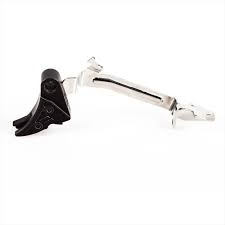
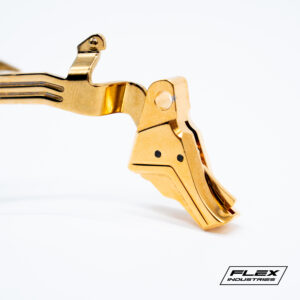
Flat-faced triggers are exactly what they sound like: the front surface of the trigger is flat instead of curved. In a typical Glock flat trigger vs curved trigger comparison, this design allows the shooter to place their finger consistently in the same spot on the trigger shoe. Many competitive shooters prefer flat-faced triggers because they can provide a slightly shorter and more predictable trigger pull, which can aid in faster follow-up shots. Additionally, the flat surface can feel more comfortable for some shooters during extended sessions at the range.
Pros of Flat-Faced Triggers:
- Consistent finger placement
- Often perceived as faster for follow-up shots
- Comfortable for prolonged shooting
Cons of Flat-Faced Triggers:
- Some shooters find them less natural for finger placement
- Can feel unfamiliar compared to a traditional curved Glock trigger
Curved Glock Triggers
These are the traditional design that comes standard on most Glock pistols. In most Glock trigger comparison discussions, this style is noted for its familiarity and simplicity. The slight curve matches the natural contour of the finger, providing an intuitive feel for most users. Many shooters appreciate the smooth engagement and consistent break, making curved triggers a reliable choice among various Glock trigger types.
Pros of Curved Triggers:
- Natural and familiar finger placement
- Smooth, consistent break
- Ideal for everyday carry and standard training
Cons of Curved Triggers:
- Finger placement can vary slightly, affecting consistency
- Some shooters may find follow-up shots slightly slower compared to flat-faced designs
Frequently Asked Questions
What is the difference between flat-faced and curved Glock triggers?
Flat-faced triggers have a straight, flat surface that distributes finger pressure evenly, while curved triggers follow a traditional arched shape that guides finger placement naturally.
Which trigger type offers better control?
Flat-faced triggers often provide more consistent finger placement and control, while curved triggers can feel more natural and familiar to users accustomed to traditional designs.
Do flat-faced triggers improve accuracy?
Flat-faced triggers may improve perceived accuracy by promoting consistent finger positioning and reducing variation in trigger pull pressure during firing.
Are curved Glock triggers more reliable than flat-faced ones?
Both designs can be equally reliable when properly manufactured. Reliability depends more on quality and installation than trigger shape alone.
Which trigger type is better for beginners?
Beginners may prefer curved triggers due to their traditional feel, while some may find flat-faced triggers easier for consistent finger placement.
Can trigger shape affect shooting performance?
Yes, trigger shape can influence comfort, consistency, and control, which may indirectly affect overall shooting performance and user experience.
Conclusion
Choosing between flat-faced vs curved Glock triggers ultimately depends on personal preference and shooting style. Competitive shooters may prefer flat-faced options for speed and consistency, while everyday users often favor curved designs for comfort and familiarity. Understanding the differences across Glock trigger types and evaluating available Glock trigger options ensures a more informed decision without compromising performance or safety.