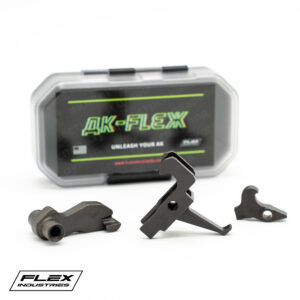
How Manufacturing Tolerances Influence Firearm Trigger Consistency
In the world of firearms, trigger consistency is one of the most important factors affecting accuracy, shooter confidence, and overall reliability. While many shooters focus on trigger weight, shape, or material, there’s another critical aspect that often goes unnoticed: manufacturing tolerances. These tiny variations in dimensions and fit can make a significant difference in how a trigger feels and performs from one firearm to another.
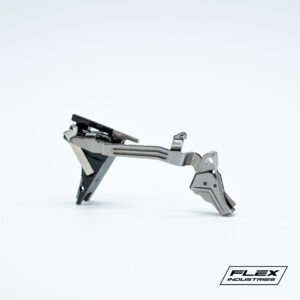
Manufacturing tolerances refer to the acceptable range of deviation in the size and placement of parts during production. Even with modern CNC machining and advanced quality control systems, every trigger component—such as the trigger bar, connector, sear surfaces, and springs—can vary slightly. Although manufacturers measure these differences in thousandths of an inch. They still significantly impact the smoothness, break, and reset of a trigger.
For example, if manufacturers produce one component at the upper end of its tolerance range and another at the lower end. The fit between the two might feel tighter or looser than intended. A tighter fit may create a heavier or more “gritty” trigger pull, while a looser fit might produce a softer break. But introduce inconsistency between shots or between identical models. These variations are normal and safe—but they do explain why two triggers from the same manufacturer can feel slightly different right out of the box.
Trigger consistency is also influenced by surface finishes. Even when tolerances are within spec, small differences in polishing, coating, or mold quality can change how smoothly parts interact. That’s why high-end triggers often emphasize refined machining and finishing, which help reduce friction and improve uniformity across batches.
Ultimately, tolerances are a balance between precision, safety, and production efficiency. Manufacturers design their tolerances to ensure dependable operation under real-world conditions. But understanding these small differences can help shooters appreciate why every trigger has its own unique feel. Recognizing the role of tolerances can also guide buyers toward brands known for tighter machining standards and consistent performance.