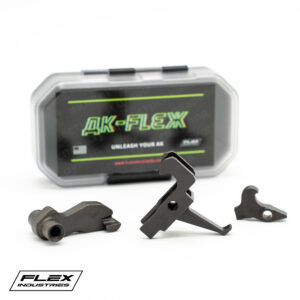
Improving Split Times Shooting with Advanced Trigger Systems
Shooters focused on performance and efficiency commonly aim to improve split times shooting. In shooting performance, split times refer to the interval between consecutive shots. For competitive shooters, tactical professionals, and enthusiasts aiming to enhance speed without sacrificing accuracy. Improving split times is a major objective. While training and technique remain essential, advanced trigger systems can play a significant role in helping shooters achieve faster and more consistent shot-to-shot performance.
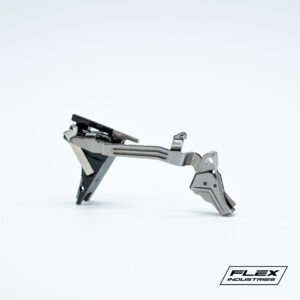
Manufacturers design advanced trigger systems to optimize key aspects of trigger control, including pull weight, reset distance, and overall responsiveness. Compared to standard factory triggers, upgraded systems often feature smoother travel and a more predictable break, allowing shooters to maintain better control during rapid firing sequences. A clean and consistent trigger pull helps reduce unnecessary movement, which directly contributes to quicker follow-up shots.
Trigger reset plays a critical role in improving split times, and manufacturers frequently design advanced trigger systems with shorter. More tactile resets that help shooters feel and hear when the trigger is ready for the next shot. By learning to release the trigger only to the reset point rather than allowing full forward travel, shooters can reduce wasted motion and maintain rhythm during rapid fire.
Ergonomics and Skill: What Really Improves Split Times
Modern performance triggers offer the additional advantage of improved ergonomics. Enhanced trigger shapes and refined engineering can help shooters maintain a consistent finger placement, which improves muscle memory and reduces fatigue during extended training sessions. Over time, these small improvements add up, allowing shooters to develop faster and more reliable shot timing.
However, it is important to recognize that equipment alone does not replace proper training. Improving split times requires a combination of skill development, consistent practice, and understanding of safe firearm handling. Shooters should view advanced trigger systems as tools that support refined technique rather than shortcuts to performance.
Additionally, shooters should consider compatibility, reliability, and intended use before upgrading their trigger system. What works well for competitive shooting may differ from preferences for recreational or defensive applications.
In conclusion, advanced trigger systems can help improve split times shooting by enhancing trigger control. Reducing reset distance, and promoting consistent shooting mechanics. When combined with proper training and practice, these upgrades can contribute to faster follow-up shots and improved overall performance on the range.