The Science Behind Faster Follow-Up Shots
Many shooters associate faster follow-up shots with advanced shooting skills, but science — not just speed — drives the ability to fire accurate consecutive shots. Factors such as trigger mechanics, recoil control, muscle memory, and firearm ergonomics all work together to influence follow up shooting speed and how effectively a shooter can prepare for the next shot.
Trigger Reset and Reaction Time
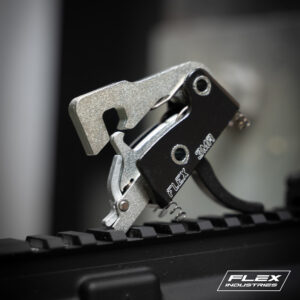
One of the most important elements behind faster follow-up shots is trigger reset speed. Trigger reset speed describes how quickly the trigger returns to the reset point and allows the shooter to fire the next shot efficiently. A shorter, more predictable reset directly improves shooting reaction time by reducing the delay between shots.
When reset is smooth and consistent, reaction time improves because the shooter spends less time re-engaging the trigger. This mechanical efficiency helps maintain alignment with the target and contributes to overall faster follow up shots.
Recoil Management and Stability
Recoil plays a major role in determining follow up shooting speed. Proper grip technique and balanced firearm design help minimize muzzle movement after firing. When shooters control recoil effectively, the firearm returns to its original position faster. Allowing quicker target reacquisition and improved faster follow-up shots.
Body positioning also contributes to stability. A firm stance absorbs recoil energy and prevents excessive motion, which directly enhances shooting reaction time between shots.
Muscle Memory and Training
The human brain and muscles adapt through repetition. Consistent practice builds muscle memory, allowing shooters to perform complex movements automatically. Over time, the shooter learns to coordinate trigger control, sight alignment, and recoil recovery without conscious delay, improving follow up shooting speed.
This neurological adaptation explains why experienced shooters appear faster. Repeated practice refines movements and increases trigger reset speed efficiency rather than relying on rushed execution.
Equipment and Mechanical Efficiency
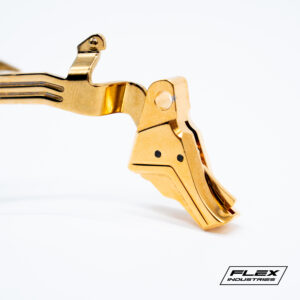
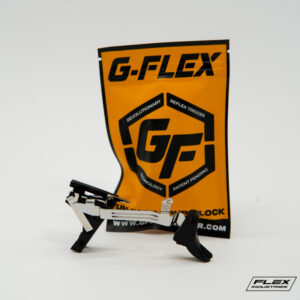
Modern firearm components are designed to support smoother operation and improved responsiveness. Well-engineered trigger systems, ergonomic grips, and balanced weight distribution all contribute to efficient shooting mechanics, helping improve faster follow-up shots performance.
Frequently Asked Questions
What affects the speed of follow-up shots?
Follow-up shot speed is influenced by trigger reset time, recoil control, shooter technique, firearm balance, and overall trigger system design and responsiveness.
How does trigger reset impact follow-up shots?
A faster and more consistent trigger reset allows the shooter to re-engage the trigger more quickly, reducing time between shots and improving shooting cadence.
Why is recoil management important for follow-up shots?
Effective recoil management keeps the firearm stable after each shot, allowing the shooter to realign sights faster and maintain accuracy during rapid firing.
Can trigger design improve follow-up shot speed?
Yes, advanced trigger designs with smoother pull, reduced reset distance, and consistent break can significantly improve follow-up shot speed and control.
Does training affect follow-up shot performance?
Yes, proper training improves muscle memory, grip stability, and target reacquisition, all of which contribute to faster and more accurate follow-up shots.
What role does firearm ergonomics play in shooting speed?
Good ergonomics enhance grip comfort and stability, helping the shooter maintain control and reduce movement between shots for faster follow-up performance.
Final Thoughts
The science behind faster follow-up shots combines mechanical design and human performance. By understanding trigger behavior, improving trigger reset speed, managing recoil, and practicing consistently, shooters can significantly enhance follow up shooting speed and maintain better control and safety.