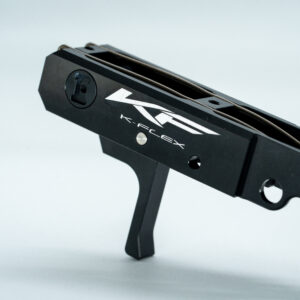
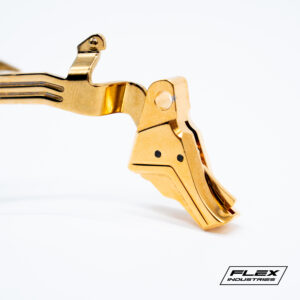
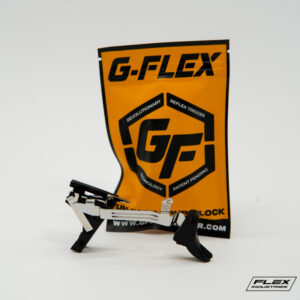
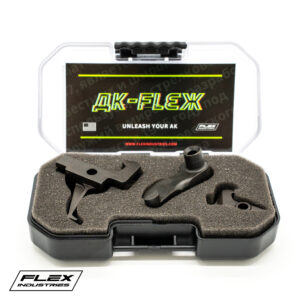
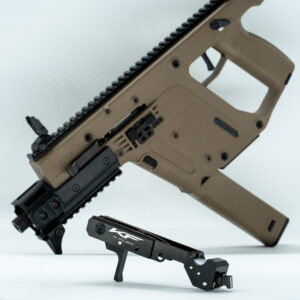
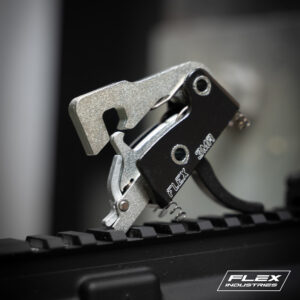
A firearm’s trigger system experiences constant stress with every shot fired. Over time, this repeated use can lead to trigger wear, affecting accuracy, consistency, and overall trigger performance. Understanding what causes trigger wear over time helps firearm owners maintain reliability and avoid potential gun trigger issues.
Several factors contribute to firearm trigger wear, including friction, poor maintenance, environmental exposure, and worn internal components. Proper care and regular inspections can help extend the lifespan of your trigger mechanism and keep your firearm operating smoothly.
Repeated Use and Friction
One of the primary causes of trigger system wear is repeated use. Every trigger pull creates contact between internal components such as the trigger bar, connector, springs, and sear surfaces. As these parts repeatedly rub against each other, friction slowly wears down the metal surfaces.
High round counts and frequent shooting sessions can accelerate firearm trigger wear. Over time, shooters may notice a rough trigger pull, inconsistent reset, or reduced responsiveness. Although manufacturers build trigger systems for durability, no mechanical component remains unaffected by constant movement forever.
Lack of Proper Trigger Maintenance
Poor trigger maintenance is another major reason triggers wear out prematurely. Dirt, carbon residue, and debris often build up inside the trigger mechanism after repeated firing. Without routine cleaning, these contaminants increase friction and place extra strain on internal parts.
Lubrication also plays an important role in reducing wear. A dry trigger assembly allows metal components to grind together, which speeds up deterioration. Regular cleaning and proper lubrication help preserve trigger performance and reduce the risk of mechanical failure.
Environmental Damage and Worn Components
Environmental conditions can also damage a firearm trigger. Moisture, humidity, dust, and extreme temperatures may cause corrosion or weaken internal components. Springs can lose tension over time, while contact surfaces may become uneven or damaged.
When trigger wear becomes severe, firearm owners may experience gun trigger issues that require trigger replacement. Replacing worn parts restores smoother operation and improves overall reliability.
Frequently Asked Questions
What causes trigger wear over time?
Trigger wear over time is mainly caused by repeated mechanical stress, friction between moving components, and continuous use. Lack of proper lubrication and exposure to harsh operating conditions can also accelerate wear.
Which components in a trigger system wear the most?
The most commonly worn parts include the sear, springs, pins, and contact surfaces. These areas experience constant movement and pressure during operation, making them more prone to gradual degradation.
How does friction contribute to trigger wear?
Friction between metal components creates gradual surface degradation. Over time, this reduces smooth operation, increases resistance, and may affect trigger consistency and performance.
Can poor material quality increase trigger wear?
Yes, low-quality or improperly treated materials tend to wear faster under stress. High-quality, wear-resistant materials significantly improve durability and extend component lifespan.
How does lubrication affect trigger wear?
Proper lubrication reduces friction between moving parts, minimizing heat generation and surface damage. Insufficient lubrication increases resistance and accelerates wear over time.
Can environmental factors affect trigger wear?
Yes, moisture, dust, corrosion, and extreme temperatures can negatively impact trigger components. These factors can weaken materials and increase the rate of wear if not properly controlled.
Conclusion
Trigger wear develops naturally through repeated use, friction, poor maintenance, and environmental exposure. By practicing proper trigger maintenance and inspecting the trigger mechanism regularly, firearm owners can improve durability, maintain trigger performance, and prevent costly repairs in the future.