What Makes a Trigger “Crisp”? Explaining Trigger Terminology
For firearm enthusiasts, understanding what makes a crisp trigger is essential for both accuracy and control. A crisp trigger refers to a clean, predictable break with minimal overtravel and a sharp reset. To fully understand this sensation, it is important to explore basic trigger terminology. Trigger mechanics, and how they influence overall performance.
First, the trigger pull weight plays a significant role in overall firearm trigger feel. Pull weight is the amount of force required to fire the gun. A consistent pull weight contributes to a crisp trigger because the shooter can better anticipate exactly when the shot will break. Uneven or heavy pull weights often result in a “mushy” feel that negatively affects accuracy and alters expected trigger pull characteristics.
Next, trigger mechanics such as trigger travel influence performance. Trigger travel refers to the distance the trigger moves from the start of the pull to the firing point. Short, controlled travel enhances the firearm trigger feel by reducing disruption to the sight picture. Overtravel—the distance the trigger continues to move after the shot—also affects the sensation. Minimal overtravel contributes to a cleaner, more crisp trigger break that is easier to control.
Trigger Reset, Maintenance, and the Role of Proper Mechanics
Reset is another key element in trigger mechanics. A crisp trigger resets quickly and audibly, allowing for faster and more controlled follow-up shots. Being able to feel or hear the reset improves rhythm and consistency, which directly impacts overall firearm trigger feel and shooting efficiency.
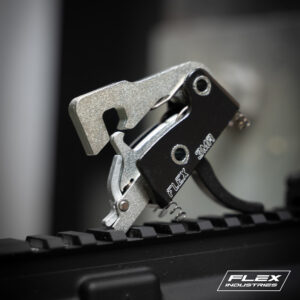
Other factors, such as smooth internal components and proper lubrication, also influence trigger pull characteristics. Debris, wear, or improper assembly can create a gritty or inconsistent feel, reducing control and diminishing the quality of a crisp trigger.
Frequently Asked Questions
What is a crisp trigger?
It refers to a trigger pull that breaks cleanly and predictably with minimal creep or sponginess, providing a clear and consistent firing point.
What makes a trigger feel crisp?
It is achieved through precise machining, tight tolerances, smooth contact surfaces, and proper spring tension that reduce friction and unwanted movement.
What is trigger creep?
Trigger creep is the slight movement felt before the trigger breaks. Excessive creep can reduce the perception of a crisp and controlled trigger pull.
How does trigger reset relate to a crisp trigger?
A short and tactile reset complements a crisp trigger by allowing the shooter to quickly and consistently prepare for the next shot.
Can a crisp trigger improve shooting performance?
Yes, it can improve shot consistency and control by reducing uncertainty during trigger break, which may enhance overall accuracy.
Do aftermarket triggers feel crisper than factory triggers?
Some aftermarket triggers are designed to provide a crisper feel with reduced.
Conclusion
Understanding these elements of trigger terminology not only helps shooters appreciate the mechanics behind a crisp trigger, but also guides decisions about upgrades, maintenance, and training. A well-maintained system with optimized trigger mechanics enhances both safety and accuracy. Allowing shooters to perform more confidently in practice or competition.