The Evolution of Firearm Triggers Over Time
The evolution of firearm triggers is a key part of understanding how modern firearms developed. The trigger is one of the most essential components of any firearm, serving as the interface between the shooter and the mechanical action of the gun. While the basic concept has remained the same—initiating the firing sequence with deliberate pressure—the design, materials, and engineering behind triggers have evolved dramatically over time. Studying firearm trigger history helps shooters appreciate the craftsmanship, safety innovations, and technology that shape modern firearms.
Early Trigger Mechanisms
The earliest firearms, such as matchlocks in the 15th century, used extremely simple mechanisms. Instead of a traditional trigger, these weapons relied on levers that lowered a burning match into a pan of powder. As technology advanced, wheel-lock and flintlock systems introduced more refined trigger mechanisms, marking an important stage in trigger development over time. These early designs laid the groundwork for modern systems by emphasizing consistent motion and dependable ignition, shaping the broader firearm trigger evolution.
Rise of the Modern Trigger
During the 19th and early 20th centuries, firearm manufacturers began experimenting with new materials and machining techniques. This phase of firearm trigger history introduced single-action and double-action triggers, giving shooters more control over pull weight and firing conditions. As repeating firearms grew in popularity, so did the need for durable triggers capable of withstanding increased use while maintaining safety, further advancing trigger development over time.
Industrial Precision and Safety Enhancements
With the rise of industrial machining and mass production, trigger components became far more consistent. This era of firearm trigger evolution saw safeties integrated directly into trigger systems, significantly reducing accidental discharges. Springs, connectors, and sear systems also became more refined, contributing to smoother and more predictable performance in modern firearm triggers.
Modern Innovations
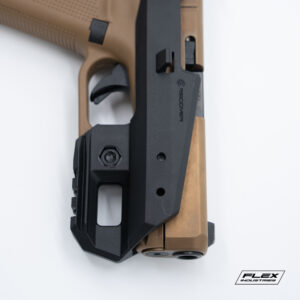
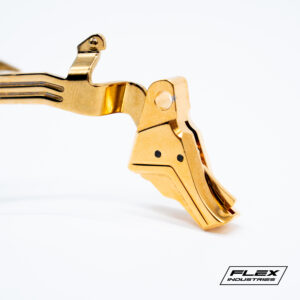
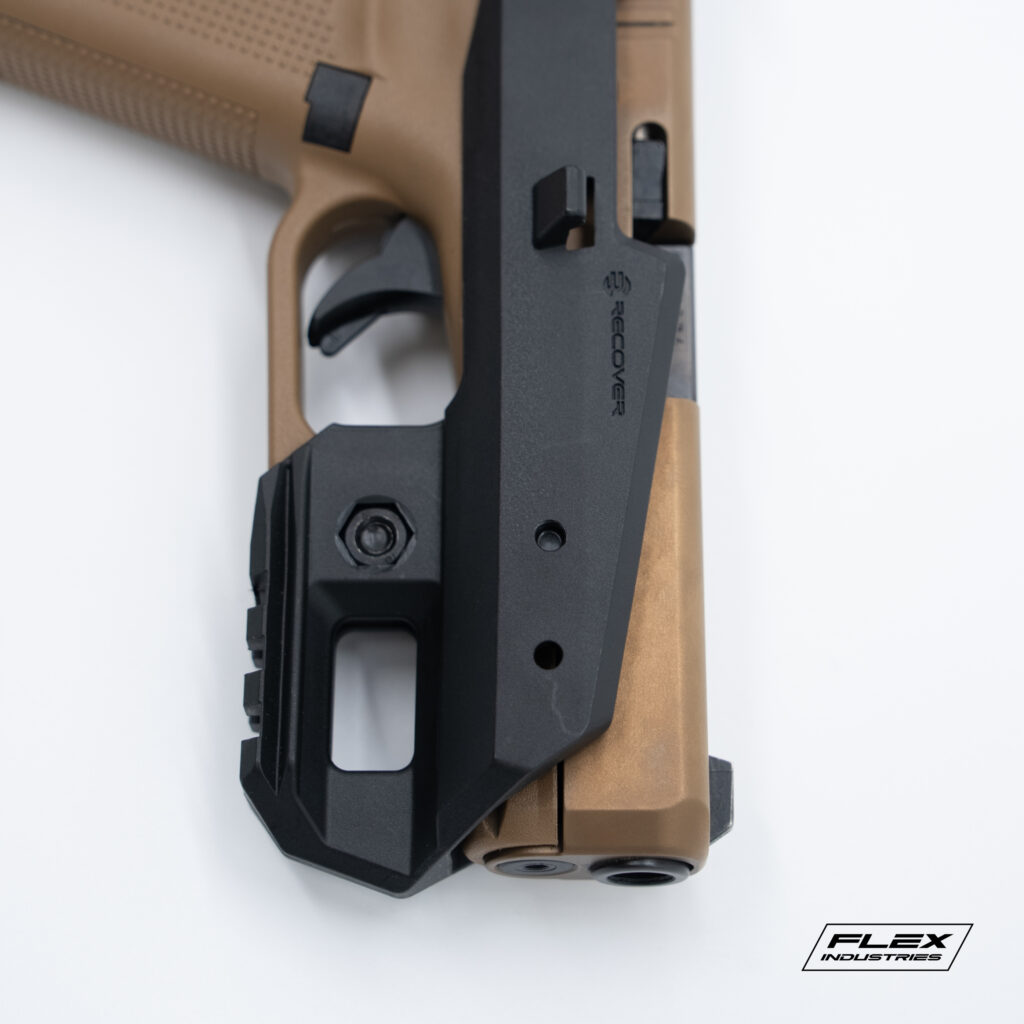
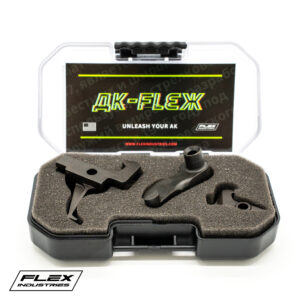
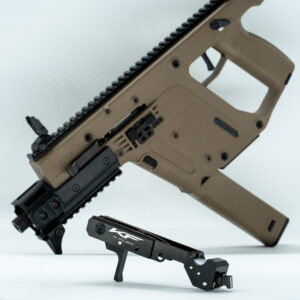
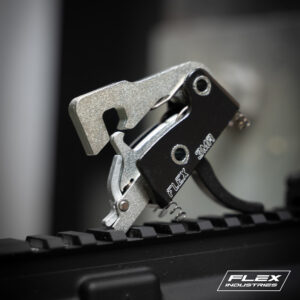
Today, modern firearm triggers benefit from advanced materials, computer-aided design, and precise machining tolerances. Shooters can choose from flat-faced, curved, and adjustable trigger systems tailored to personal preference. These innovations reflect the continued evolution of firearm triggers, focusing on safety, consistency, and comfort while building on centuries of trigger development over time.
Frequently Asked Questions
How have firearm triggers evolved over time?
Firearm triggers have evolved from simple mechanical designs in early firearms to modern precision-engineered systems that prioritize safety, consistency, and improved shooting performance.
What were early firearm trigger systems like?
Early trigger systems were basic mechanical levers with limited safety features and inconsistent performance compared to modern standardized trigger mechanisms.
How do modern trigger systems differ from older designs?
Modern trigger systems offer improved materials, tighter manufacturing tolerances, integrated safety mechanisms, smoother pull, and more consistent reset compared to older designs.
Why did trigger design need to evolve?
Trigger design evolved to improve safety, enhance accuracy, reduce mechanical failure, and meet the increasing performance demands of modern firearms users.
What role does manufacturing technology play in trigger evolution?
Advancements in CNC machining, metallurgy, and precision engineering have significantly improved trigger consistency, durability, and overall performance.
Are modern triggers safer than older ones?
Yes, modern triggers generally include multiple safety mechanisms and improved design standards, making them safer and more reliable than many early trigger systems.
Conclusion
From simple levers to precision-engineered systems, the firearm trigger evolution tells a story of innovation, safety, and performance. Each advancement in firearm trigger history has contributed to the reliable and consistent triggers used today, making the journey of the evolution of firearm triggers central to modern firearm design.