Aftermarket Trigger Guide — Safety Tips When Choosing Upgrades
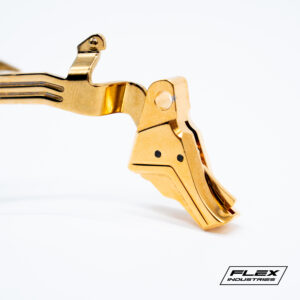
An aftermarket trigger guide can help shooters understand important factors before making an upgrade. Upgrading to an aftermarket trigger can enhance shooting performance, improve control, and provide a more refined shooting experience. However, trigger upgrade safety should always remain the top priority when selecting any firearm component. Understanding key safety considerations through a proper trigger selection guide helps shooters make informed decisions while maintaining responsible firearm handling practices.
One of the first factors to evaluate is trigger pull weight. Aftermarket trigger options often offer lighter pull weights to improve responsiveness and reduce effort during firing. While a lighter trigger can benefit accuracy and speed, it may also increase the risk of unintended discharge if not matched to the shooter’s skill level or intended use. Choosing the right option through a proper trigger selection guide is essential for safe operation during any firearm trigger upgrade.
Compatibility is another critical consideration. Not all aftermarket trigger systems are designed for every firearm model or generation. Installing incompatible components can affect reliability and safety mechanisms, potentially leading to malfunction. Shooters should verify product specifications and ensure that the firearm trigger upgrade is suitable for their platform.
Quality and manufacturing standards also play a significant role in safety. Premium aftermarket trigger systems are typically engineered with durable materials and strict quality control processes. Selecting reputable brands that prioritize testing and reliability can help reduce the risk of mechanical issues and ensure consistent performance over time, reinforcing overall trigger upgrade safety.
Proper installation is equally important. Even high-quality components may not function correctly if installed improperly. Shooters should follow manufacturer guidelines and consider professional installation if they are unfamiliar with firearm trigger upgrade procedures. Ensuring that all safety features remain functional after installation is a crucial step before using the firearm.
Additionally, shooters must understand that equipment upgrades do not replace responsible training and safe handling habits. Practicing proper trigger discipline, maintaining awareness of firearm safety rules, and regularly inspecting components contribute to a safer shooting experience.
Frequently Asked Questions
What should I consider before choosing an aftermarket trigger?
Are aftermarket triggers safe to use?
How do I ensure an aftermarket trigger is high quality?
Look for products that follow strict manufacturing quality standards, use durable materials, and come from reputable firearm component manufacturing providers with proven reliability.
Can aftermarket triggers affect firearm reliability?
Yes, depending on the quality and installation. A well-designed trigger can maintain or improve reliability, while low-quality or improperly installed parts may reduce performance.
Should I install an aftermarket trigger myself?
If you have technical experience and the correct tools, DIY installation may be possible. However, professional installation is recommended to ensure safety and proper function.
What safety checks should be done after installation?
Coclusion
In conclusion, choosing an aftermarket trigger requires balancing performance goals with safety considerations. Using a proper aftermarket trigger guide and evaluating trigger pull weight, compatibility, build quality, and installation practices helps shooters make confident decisions while maintaining safe and reliable firearm operation.