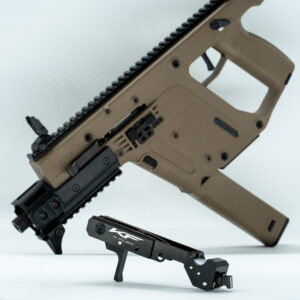
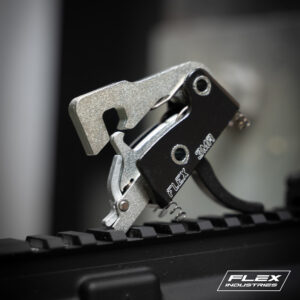
The performance and reliability of a firearm trigger depend heavily on the materials used during production. In precision trigger manufacturing, selecting the right material is essential for achieving consistent operation, long service life, and superior shooting performance. From lightweight alloys to high-strength steels, manufacturers carefully evaluate each option to ensure the final product meets strict performance and durability requirements.
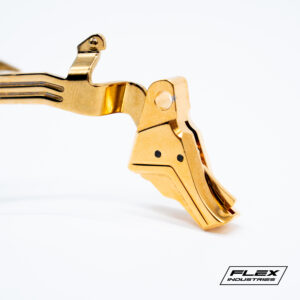
One of the most popular choices in modern trigger systems is aluminum. High-grade aluminum triggers offer an excellent balance of strength, weight reduction, and corrosion resistance. Aircraft-grade aluminum alloys are commonly used because they are lightweight while maintaining the structural integrity needed for repeated use. These triggers are particularly popular in competitive shooting applications, where reducing firearm weight can improve handling and control.
Steel remains another industry-standard material due to its exceptional strength and wear resistance. High-quality steel trigger components can withstand thousands of trigger cycles without significant degradation. Tool steel and stainless steel are frequently used in critical trigger parts because they provide outstanding hardness and dimensional stability. These properties help maintain consistent trigger pull characteristics over time, making steel a preferred choice for demanding environments.
Trigger Material Selection and Durability Considerations
Effective trigger material selection involves balancing several factors, including weight, strength, corrosion resistance, machinability, and cost. Manufacturers often use a combination of materials to optimize performance. Manufacturers often pair an aluminum trigger shoe with hardened steel internal components to provide both lightweight handling and long-term durability.
This hybrid approach allows manufacturers to maximize the advantages of each material. Another important consideration is trigger durability. Precision-engineered triggers must maintain their performance under repeated use, exposure to environmental conditions, and varying operating temperatures. Materials that resist wear, corrosion, and deformation contribute significantly to the longevity of the trigger assembly. Surface treatments such as anodizing, nitriding, and specialized coatings can further improve durability and protect components from premature wear.
As trigger technology continues to evolve, manufacturers are constantly exploring new materials and production methods. However, aluminum and steel remain the foundation of most high-performance trigger systems. By prioritizing careful material selection and advanced manufacturing techniques, precision trigger manufacturers can create reliable trigger assemblies that deliver consistent performance, safety, and durability for years to come.
Frequently Asked Questions
What are the best materials used in precision trigger manufacturing?
Common materials used in precision trigger manufacturing include stainless steel, tool steel, aluminum, and high-performance alloys. Manufacturers select these materials for their strength, durability, corrosion resistance, and machining properties.
Why is material selection important in trigger manufacturing?
Material selection directly affects trigger performance, reliability, and longevity. Choosing the right material helps ensure consistent operation, resistance to wear, and the ability to maintain tight tolerances during production.
Is stainless steel a good material for trigger components?
Yes, manufacturers widely use stainless steel in trigger manufacturing because it offers excellent strength, corrosion resistance, and durability. It is suitable for applications that require long-term reliability and consistent performance.
What are the benefits of using tool steel in trigger manufacturing?
Why is aluminum used in trigger manufacturing?
How do manufacturers choose the right material for trigger components?
Manufacturers evaluate factors such as strength requirements, durability, weight, corrosion resistance, machining characteristics, and intended application. Selecting the appropriate material helps ensure high-quality precision trigger manufacturing and long-term product performance.