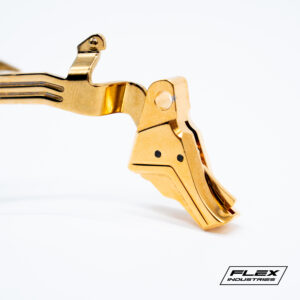
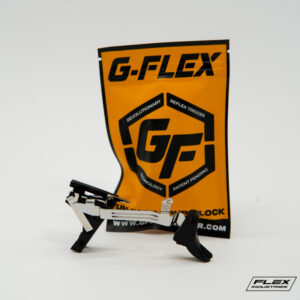
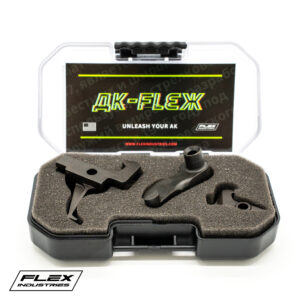
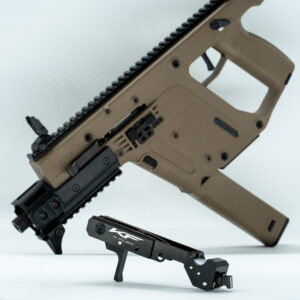
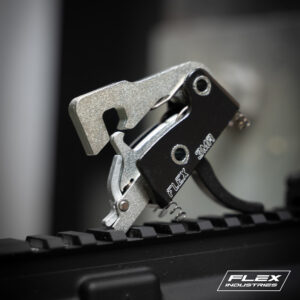
Precision trigger manufacturing plays a critical role in producing reliable, consistent, and high-performance firearm trigger systems. Whether for competitive shooting, hunting applications, or OEM firearm production, the quality of a trigger directly impacts firearm performance, safety, and user experience. Understanding the materials, manufacturing methods, and quality standards involved can help manufacturers and consumers appreciate the engineering behind premium trigger assemblies.
The foundation of successful precision trigger manufacturing begins with material selection. High-quality trigger components are commonly produced from tool steel, stainless steel, aluminum alloys, and titanium. These materials offer excellent strength, durability, and resistance to wear. Selecting the right material ensures long-term performance while maintaining consistent trigger pull characteristics under various operating conditions.
The trigger manufacturing process involves multiple stages designed to achieve tight tolerances and precise functionality. Modern manufacturers utilize advanced precision machining technologies such as CNC milling, CNC turning, wire EDM, and surface grinding. These methods allow for the accurate production of complex firearm trigger components while maintaining dimensional consistency across large production runs.
In addition to standard production, many companies offer custom trigger manufacturing services to meet specific customer requirements. Customization options may include trigger shoe design, pull weight adjustments, material upgrades, surface coatings, and unique geometric profiles. These specialized solutions enable firearm manufacturers and aftermarket brands to create products tailored to particular performance goals and market demands.
Quality assurance remains one of the most important aspects of trigger production. Effective trigger quality control procedures include dimensional inspections, hardness testing, surface finish evaluation, and functional performance testing. Manufacturers often conduct repeated cycle testing to verify durability and ensure triggers maintain consistent operation throughout their service life. Strict quality standards help eliminate defects and improve product reliability.
For large-scale firearm brands, OEM trigger manufacturing provides a cost-effective solution for sourcing high-quality trigger assemblies. OEM suppliers work closely with firearm manufacturers to develop components that meet exact engineering specifications while maintaining production efficiency and regulatory compliance.
As firearm technology continues to evolve, precision trigger manufacturing remains essential for delivering superior performance, reliability, and safety. By combining premium materials, advanced machining techniques, rigorous quality control, and customized production capabilities, manufacturers can consistently produce trigger systems that meet the highest industry standards.
Frequently Asked Questions
What is precision trigger manufacturing?
Precision trigger manufacturing involves producing trigger components with tight tolerances, consistent dimensions, and high-quality materials to ensure reliable performance, durability, and accuracy.
Why are materials important in precision trigger manufacturing?
Materials play a critical role in trigger performance and longevity. Manufacturers select materials based on factors such as strength, wear resistance, corrosion resistance, and machining characteristics to meet specific performance requirements.
What materials do manufacturers commonly use for trigger components?
Manufacturers commonly use stainless steel, tool steel, aluminum, and other high-performance alloys. Each material offers unique advantages depending on the application, durability requirements, and desired trigger characteristics.
How does quality control improve trigger manufacturing?
Quality control helps manufacturers identify defects, verify dimensional accuracy, and maintain consistent production standards. Regular inspections and testing ensure trigger components meet performance and reliability requirements.
Why are tight tolerances important in trigger manufacturing?
Tight tolerances ensure that trigger components fit and function correctly within the assembly. Maintaining precise dimensions helps improve consistency, reliability, and overall product quality.
How do manufacturers ensure consistent trigger quality?
Manufacturers ensure consistent trigger quality through precision machining, material verification, in-process inspections, final testing, and adherence to established manufacturing quality standards throughout production.