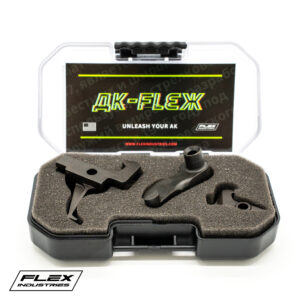
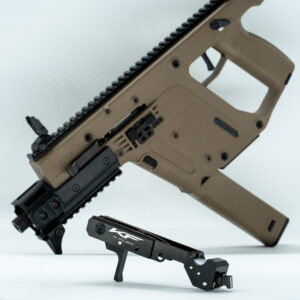
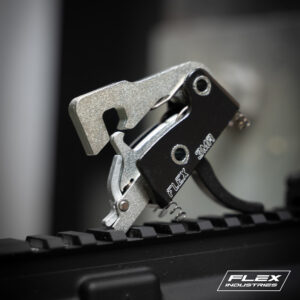
Selecting the right manufacturing approach is a critical decision for companies developing firearm components. Whether you are launching a new product or expanding an existing line, understanding the differences between OEM and custom trigger manufacturing can help you choose the most effective solution for your project goals, budget, and production requirements.
Understanding OEM Trigger Manufacturing
OEM (Original Equipment Manufacturer) trigger manufacturing involves producing components based on established designs and specifications. This option is often preferred by businesses looking for cost-effective and efficient production. OEM solutions typically offer faster lead times, lower development costs, and proven manufacturing processes.
For companies seeking reliable trigger production services, OEM manufacturing can provide a streamlined path to market. Since the design and engineering work are already completed, manufacturers can focus on consistent production quality and scalability.
Benefits of Custom Trigger Manufacturing
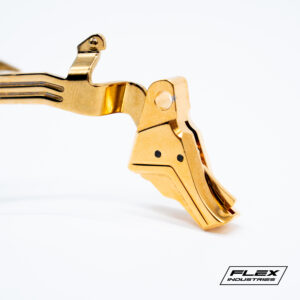
In contrast, custom trigger manufacturing allows businesses to develop unique trigger systems tailored to specific performance, design, or branding requirements. This approach offers greater flexibility and product differentiation, making it ideal for companies targeting specialized markets or introducing innovative firearm products.
Custom projects often require advanced engineering support and specialized trigger design solutions. Manufacturers work closely with clients to develop prototypes, refine specifications, and optimize performance before full-scale production begins.
Key Factors to Consider
When deciding between OEM and custom manufacturing, several factors should be evaluated. Budget is often one of the most important considerations. OEM production generally requires lower upfront investment, while custom manufacturing may involve additional design, testing, and tooling expenses.
Project timelines also play a significant role. OEM solutions are usually faster to implement, while custom projects require more development time. However, the added investment can result in a product that better aligns with your brand and customer expectations.
Quality and consistency remain essential regardless of the manufacturing method. Experienced providers of firearm component manufacturing services use advanced equipment, strict quality controls, and precision machining techniques to ensure dependable results.
Choosing the Right Solution
The best choice depends on your project’s objectives. OEM manufacturing is ideal for companies seeking speed, efficiency, and proven designs. Meanwhile, businesses looking for innovation, customization, and competitive differentiation may benefit more from custom trigger manufacturing and specialized trigger design solutions.
By carefully evaluating your production goals, budget, and market needs, you can select the manufacturing approach that delivers the greatest value and long-term success.
Frequently Asked Questions
What is OEM trigger manufacturing?
OEM trigger manufacturing involves producing trigger components based on established designs and specifications. It is often chosen for its cost efficiency, faster production timelines, and consistent quality.
What is custom trigger manufacturing?
Custom trigger manufacturing allows companies to create unique trigger components tailored to specific performance, design, or branding requirements.
Which is more affordable, OEM or custom trigger manufacturing?
OEM manufacturing typically requires a lower upfront investment because the design and engineering work have already been completed. Custom manufacturing may involve additional development and tooling costs.
How long does custom trigger manufacturing take?
The timeline varies depending on design complexity, prototyping requirements, and production volume. Custom projects generally take longer than OEM manufacturing.
Why is precision important in firearm component manufacturing?
Precision ensures proper fit, reliable operation, and consistent performance. High-quality firearm component manufacturing relies on strict quality control and advanced machining processes.
Can custom trigger manufacturing improve product differentiation?
Yes. Custom trigger manufacturing allows companies to develop unique features and designs that help distinguish their products from competitors.