Fixing Trigger Feel Problems After Installation
Upgrading a firearm trigger can improve responsiveness and control, but some users notice changes in trigger feel after installation, often leading to concerns about glock trigger issues or similar performance problems. Issues such as excessive resistance, inconsistent reset, or unusual movement can affect performance and confidence. Fortunately, most trigger feel problems are common and can often be resolved with careful inspection and adjustment.
Understanding Trigger Feel Issues
Trigger feel refers to how smooth, consistent, and predictable the trigger movement feels during operation. After installation, differences in components or setup can slightly alter how the trigger behaves. Common concerns include a heavier pull than expected, a gritty sensation, or a reset that feels unclear.
These problems usually do not indicate a defective trigger system. Instead, they often result from installation alignment, lubrication, or component interaction.
Check Installation Alignment
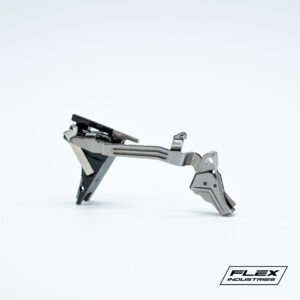
One of the first steps in fixing trigger feel problems is verifying proper installation. Misaligned pins or improperly seated components can create friction or inconsistent movement. Carefully reviewing installation steps and ensuring all parts are correctly positioned can quickly resolve many issues.
Always confirm that screws and pins are secure but not overly tightened, as excessive pressure can interfere with smooth operation.
Proper Cleaning and Lubrication
Newly installed trigger systems may require light cleaning and appropriate lubrication. Manufacturing residue or debris from installation can create unwanted resistance. Applying a small amount of recommended lubricant to contact points helps reduce friction and improve smoothness.
Avoid over-lubrication, as excess oil may attract dust and affect long-term performance.
Function Testing and Adjustment
After making adjustments, perform safe function checks to confirm proper operation. Slowly cycle the trigger to evaluate reset consistency and pull weight. Small adjustments can make noticeable improvements in trigger feel.
If problems persist despite careful troubleshooting, consulting a qualified gunsmith can help identify underlying mechanical concerns.
Final Thoughts
Fixing trigger feel problems after installation is often a straightforward process that involves inspection, cleaning, and minor adjustments, especially when addressing common glock trigger issues. With patience and attention to detail, shooters can restore smooth performance and fully benefit from their trigger upgrade while maintaining reliability and safety.


